
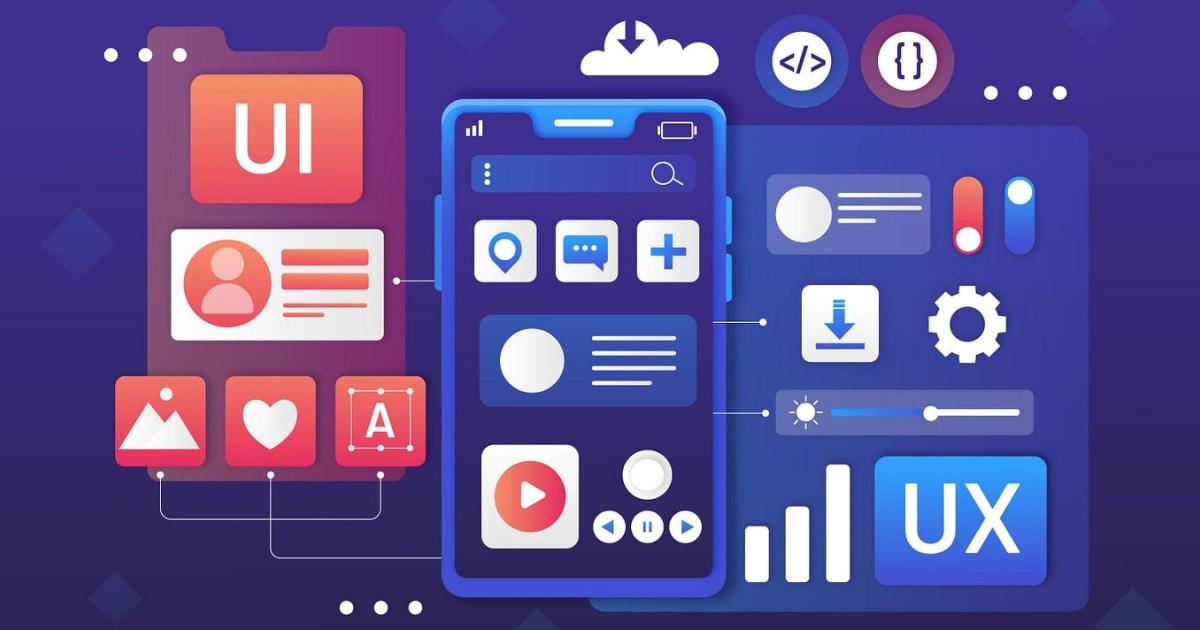
Why SaaS and Mobile Apps Require Specialized Design
SaaS platforms need designs that encourage daily usage and reduce churn rates. Mobile apps face unique constraints like smaller screens and touch interactions. Generic design approaches fail because these products require different user engagement strategies. Specialized agencies understand how to create sticky experiences that keep subscribers active and satisfied.
Core Features of Successful SaaS Interface Design
Effective SaaS designs prioritize onboarding flows that get users to value quickly. Dashboard layouts present critical information without overwhelming new users. Navigation systems must accommodate both novice and power users comfortably. Custom software development teams integrate these design specifications seamlessly into functional products.
Mobile App Design Principles That Drive Downloads
App store screenshots and first impressions determine download decisions instantly. Your app icon needs to stand out among millions of competitors. The first user session must demonstrate value within seconds before users abandon. Loading speeds and smooth animations significantly impact retention rates and review scores.
User Retention Strategies Through Thoughtful Design
Push notification designs balance engagement with avoiding annoyance that causes uninstalls. Personalization features make users feel the product understands their specific needs. Progressive disclosure reveals advanced features gradually as users become comfortable with basics. Gamification elements can increase engagement when implemented thoughtfully rather than superficially.
Designing for Multiple Platforms and Screen Sizes
Responsive design ensures consistency across devices without creating separate experiences. Material Design and Human Interface Guidelines provide platform-specific best practices. Agencies must balance maintaining brand identity with respecting platform conventions users expect. Professional mobile app development requires close designer-developer collaboration.
Measuring Design Success Through Analytics and Metrics
Track user completion rates for key flows like signup and first purchase. Session duration and frequency indicate whether users find ongoing value. Feature adoption rates reveal which capabilities resonate most with your audience. A/B testing different design variations provides concrete data for optimization decisions.
Case Studies Showing Real Results from Design Improvements
Leading agencies showcase projects with specific metrics like increased trial-to-paid conversions. Look for examples demonstrating reduced support tickets through clearer interfaces. Retention improvements often exceed 30% after strategic redesigns addressing user pain points. Explore our services to see how we approach SaaS and mobile challenges.
FAQs
Q1: How long does mobile app UI UX design typically take?
Mobile apps usually require 6-10 weeks for design completion, including research, wireframing, prototyping, and testing phases.
Q2: Should my SaaS design prioritize features or simplicity?
Start with simplicity to reduce friction, then progressively reveal advanced features as users demonstrate need and readiness.
Q3: How often should I update my app design?
Major redesigns every 2-3 years keep interfaces modern, with smaller improvements quarterly based on user feedback and analytics.
Q4: Do I need separate designs for iOS and Android?
While core flows remain similar, respecting platform conventions improves usability and meets user expectations for each ecosystem.
Q5: Can good design reduce customer support costs?
Absolutely. Intuitive interfaces reduce confusion and support tickets by 40-60% by making features self-explanatory and discoverable.
Get Free Quotation
Launch SaaS products and mobile apps users love. Our specialized team creates conversion-focused designs that maximize engagement and minimize churn. Call +966 50 981 8202 now to discuss your project requirements and receive a comprehensive proposal tailored to your goals.